Speed to Lead: The Buyer Who Enquired With You Enquired With Three Others
Buyers compare several businesses at once, and the first useful reply has the advantage. Why speed to lead is a routing problem, and a 10-minute check you can run on your last 10 leads.
DigiPix Flow team4 min read

Think about the last time you needed something important — a flat, a course for your child, an agency for your brand.
You probably did not contact only one business. You compared a few options, perhaps on the same evening, and then waited to see who got back to you.
The first business to respond clearly and helpfully had an immediate advantage. By the time later calls arrived, your attention may already have shifted.
Your customers are doing exactly the same thing with you.
The race nobody puts on the dashboard
Many sales reports track how many leads came in and how many deals closed. Fewer make one number impossible to miss: how long did a new lead wait before a real person reached out?
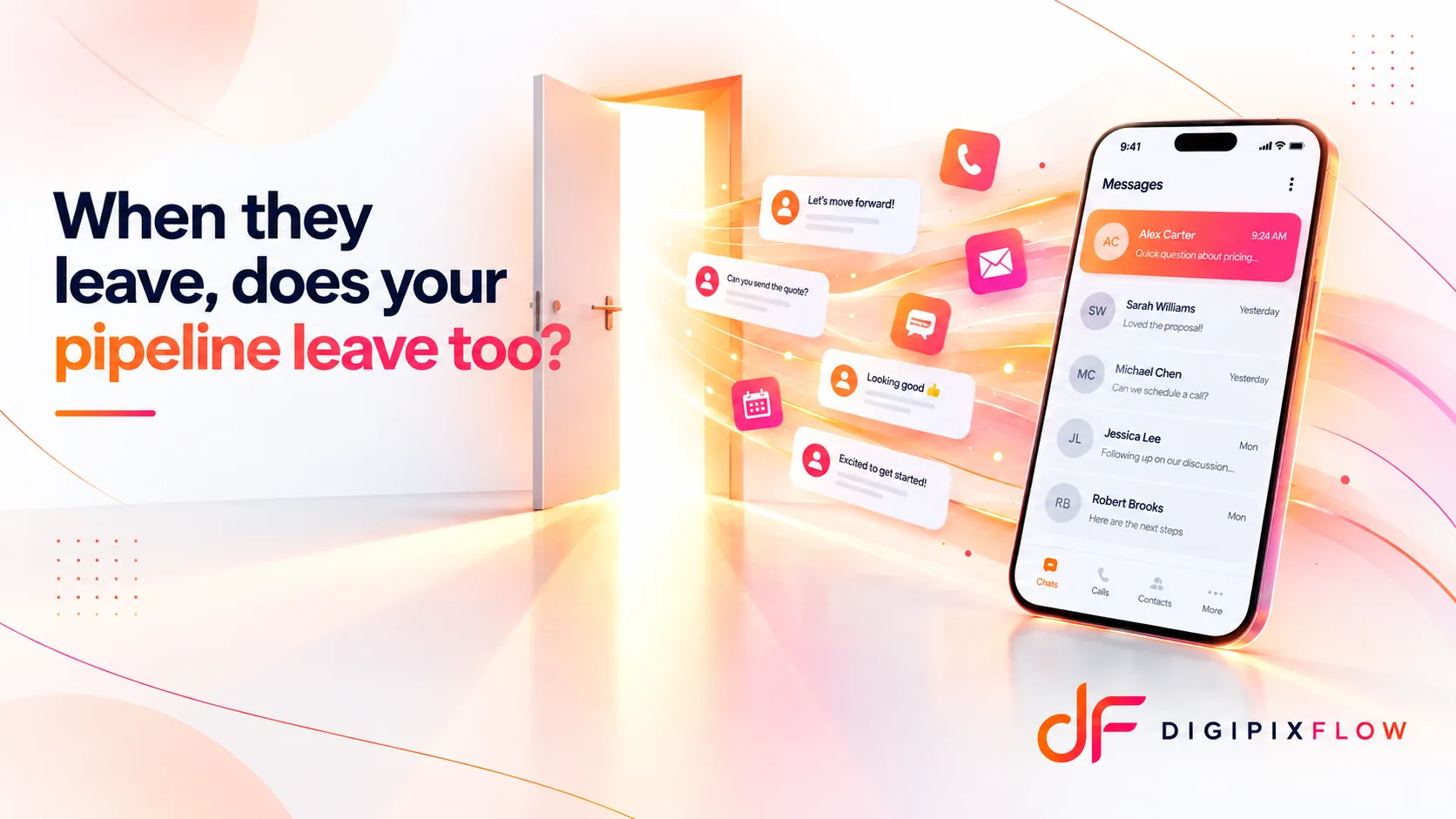
That gap matters because a prospect who is actively comparing options is not waiting only for you. While your team is checking an inbox, forwarding a notification or deciding who should call, another business may already be having the conversation.
Three common reasons make that gap wider:
1. Leads wait in someone's email
A form notification lands in a shared inbox or one manager's email. It gets forwarded when someone has a moment. On a busy day, that can turn an immediate enquiry into a next-day follow-up.
2. Assignment is done by hand
Someone decides who should take each lead. When that person is in a meeting, on leave or overloaded, new enquiries wait. Manual assignment can also create uneven workloads across the team.
3. Nobody owns the unassigned lead
A lead that does not clearly belong to anyone can end up belonging to no one. It is not deleted, but it is not being worked either. It simply sits until the opportunity has cooled.
Why “just call faster” does not fix the system
Telling a sales team to respond faster can help for a while. But if the process still requires someone to check an inbox, forward the lead, decide the owner and remember the follow-up, the delay is built into the workflow.
Every manual handoff creates another place for a lead to wait.
Speed to lead is often less about motivation and more about routing, ownership and visibility.
SEE IT IN ACTION
Capture every lead, route it to the right rep and keep every conversation on one record.
How DigiPix Flow is designed to close the gap
DigiPix Flow is designed to reduce the manual steps between a new enquiry and the person who should handle it.
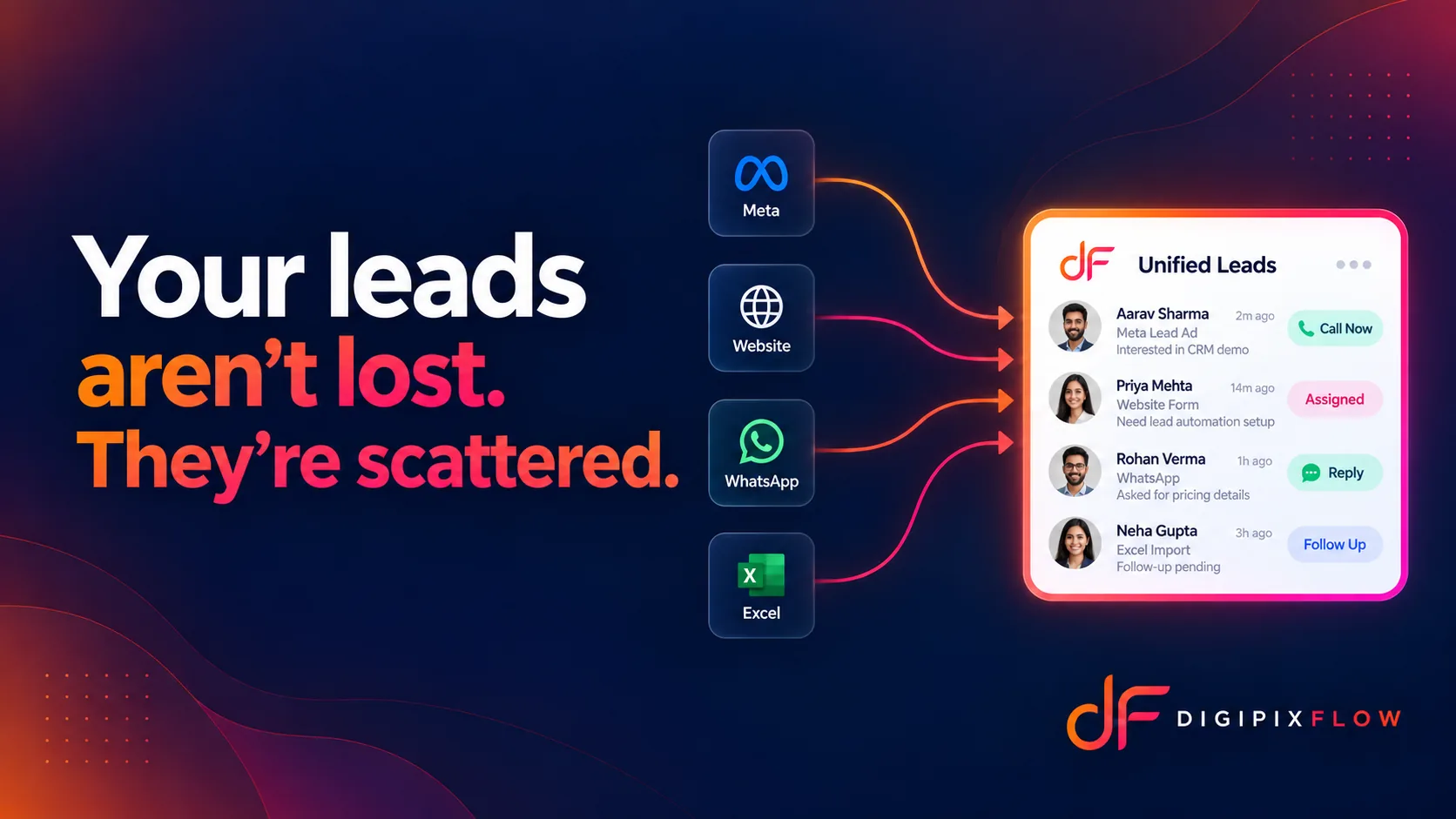
- One inbox for every source. Meta Lead Ads, website forms, embedded forms and imports can feed a single lead workspace, so the team does not have to check multiple places.
- Assignment rules on arrival. Leads can be routed using rules that look at details such as source, status, score or segment, reducing the need for a manager to assign every enquiry manually.
- Scoring that sets the order. Lead scoring can help surface higher-intent enquiries so reps know where to focus first.
- A visible Unassigned queue. Leads that cannot be placed by a rule stay visible in a dedicated queue instead of disappearing between teams.
- Follow-up automation. Reminders and follow-up tasks can keep the next action visible when a prospect does not answer the first time.
- My Leads for every rep. Each salesperson can open their view and see the leads they own and the actions that need attention.
When those rules are in place, a lead that arrives at 7:40 pm can be captured and queued immediately for the right owner instead of waiting for someone to forward it later.
Try this with your last 10 leads
Take ten minutes this week and look at your ten most recent enquiries:
- What time did each lead come in?
- What time did someone first contact them?
- Who decided which rep got the lead, and how?
- Is any of those ten still waiting for a first response?
If those answers are difficult to find, that tells you something important too: you cannot improve response time if you cannot see where the time is going.
Let’s talk
If your lead response process feels slower than it should, talk to an expert and we will show you how DigiPix Flow is designed to bring lead capture, routing, prioritization and follow-up into one flow.
The best offer is not the only thing prospects notice. A fast, useful response can be the difference between joining the conversation and missing it.
- speed to lead
- lead response time
- lead routing
- assignment rules
- CRM